How to Start Decluttering When You Are Completely Overwhelmed
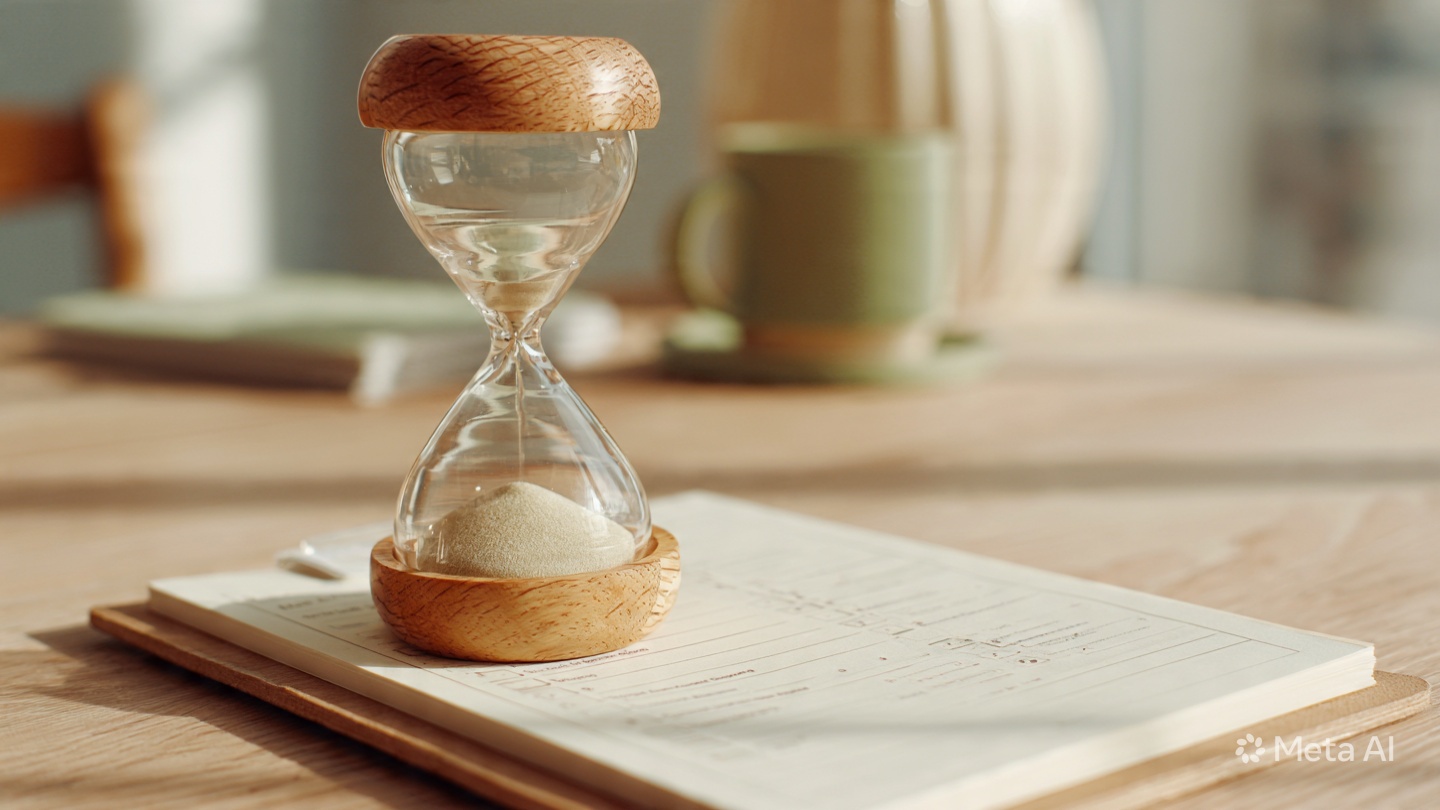
You don't need a free weekend, a Pinterest board, or a total life overhaul. You need one small corner and fifteen minutes. This guide will get you started — right now, today.
Advertisement
[AdSense — Top Banner 728×90 or Responsive]If you've Googled "how to start decluttering" and still haven't begun, you're not lazy — you're overwhelmed. A messy home isn't a character flaw. It's an accumulated backlog, and backlogs respond to systems, not willpower.
Below are three research-backed methods to unstick yourself in the next ten minutes, plus answers to the most common questions people ask before they start.
Step-by-Step: How to Start Decluttering Today
Start Small and Start Visible
The single biggest mistake people make is thinking they need to tackle a whole room. You don't. Choose the smallest, most visible surface you can: one kitchen counter, your nightstand, or a 3-foot patch of floor. Visible wins train your brain to associate decluttering with success, not dread.
- 1 Scan your home for a surface you can finish in 10–30 minutes.
- 2 Choose somewhere you look at every single day — the goal is a visible daily reminder of progress.
- 3 Set a timer for 10–30 minutes. Commit to stopping when it ends, even if you're not done. This removes the fear of a never-ending task.
- 4 Finish the task. Take a photo. Acknowledge the win before you do anything else.
"You don't need motivation to start. You need a start small enough that motivation is irrelevant."
Do the Trash Bag Tango
This method works especially well when you feel paralyzed by decisions. Speed and simplicity are the whole point — you are not trying to be perfect, you're trying to break the ice.
You Need
- 🗑️ 1 black trash bag (Trash)
- 🛍️ 1 white or clear bag (Donate)
- ⏱️ A 10-minute timer
- 👨👩👧 Optional: rope in a family member
The Rules
- Touch each item once.
- Only three choices: Keep, Trash, Donate.
- No "maybe" pile. Ever.
- Stop the instant the timer beeps.
- 1 Give every participant two bags: one labelled Donate, one labelled Trash.
- 2 Set a 10-minute kitchen timer. Make it audible. The ticking creates healthy urgency.
- 3 Work fast. Pick up every item in the chosen area. Anything broken or unused in 12+ months goes into Trash or Donate instantly.
- 4 When the timer ends, stop. Move both bags out of the room immediately — bag them, knot them, put them by the door or in your car.
- 5 Repeat tomorrow with a fresh 10-minute session. Progress compounds faster than you expect.
Advertisement
[AdSense — In-Article / Native Ad]Use the Snowball Method
Borrowed from personal finance, the Decluttering Snowball starts with your absolute smallest space and builds unstoppable momentum. Each win makes the next task feel achievable.
- 1 Identify your single smallest cluttered space. A junk drawer, a medicine cabinet shelf, a bedside table.
- 2 Fully finish it before moving on. "Fully finished" means everything has a permanent home or is gone.
- 3 Choose the next smallest space. Not the biggest problem area — the next one up the ladder.
- 4 Repeat. Your speed and confidence will grow with each completed zone.
Frequently Asked Questions
What room should you declutter first?
For most people, the best first room is the kitchen, the entryway, or the living room — whichever feels most chaotic to you on a daily basis.
Here's why these three work so well:
- → Kitchen: High daily traffic. A cleared counter reduces visual noise at every meal. The emotional stakes are low compared to, say, a childhood bedroom box.
- → Entryway: The first thing you see when you arrive home. A calm entryway resets your mood every single time you walk in.
- → Living room: Where you relax — or fail to. Clearing this space has an outsized impact on perceived home order.
Avoid starting with attics, storage units, or sentimental items (old photos, childhood boxes). These require emotional energy you don't have yet. Save them for when the Snowball is rolling.
How long does it take to declutter a whole house?
With consistent 15–30 minute daily sessions, most people see meaningful results within 2–4 weeks. A full home reset typically takes 1–3 months, depending on how much has accumulated and how often you session. The key is consistency over intensity: four 15-minute sessions beat one 4-hour marathon most weekends.
What do I do with items I can't decide about?
Use a "Maybe Box." Place indecisive items in a sealed box, label it with today's date, and store it out of sight. If you haven't opened it in 90 days, donate it without looking inside. In practice, most people never open the box — which tells them everything they need to know.
Is it okay to declutter in small bursts rather than long sessions?
Absolutely — in fact, short bursts are often more effective. Decision fatigue sets in after 20–40 minutes of decluttering. Short, focused sessions keep your judgment sharp and prevent the overwhelm spiral that makes you quit. Ten minutes a day beats four hours once a month.
Your 10-Minute Decluttering Checklist
Print this. Stick it on your fridge.
- Choose one small, visible surface.
- Grab two bags: Trash and Donate.
- Set a 10-minute timer.
- Touch each item once: Keep, Trash, or Donate. No maybes.
- Stop when the timer ends.
- Remove bags from the room immediately.
- Take a photo of the finished area.
- Schedule tomorrow's 10-minute session right now.
The Only Rule: Start Before You Feel Ready
Clarity doesn't come before starting — it comes from starting. Every bag you fill, every surface you clear, makes the next decision easier. The mess didn't appear overnight, and you won't eliminate it overnight. But you can make your home measurably calmer today, in the next ten minutes, with two garbage bags and a timer.
Pick your spot. Set the timer. Go.
Advertisement
[AdSense — Bottom Banner 728×90 or Responsive]