How to Declutter Your Kitchen: A Practical Guide to Clear Counters
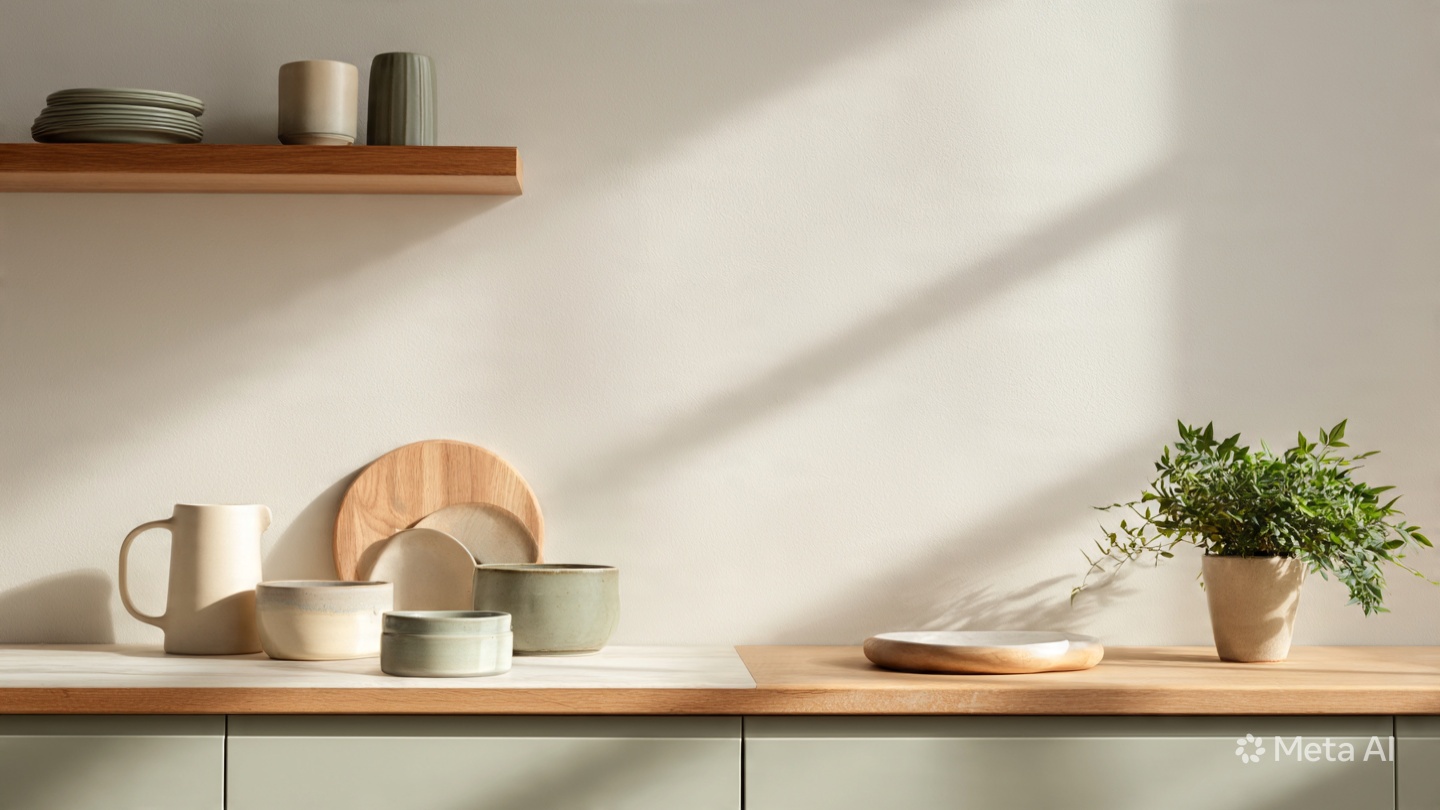
You walk into your kitchen meaning to make a simple cup of tea, and somehow you end up wrestling with a tower of mismatched lids, stepping over a stand mixer you haven't used since 2021, and mentally apologizing to the avocado slicer taking up prime drawer space. Sound familiar?
Decluttering your kitchen isn't about achieving a magazine spread. It's about making the room where you spend a lot of your day actually work for you. This guide cuts straight to what's really eating up your space — and exactly how to take it back.
The 5 Biggest Kitchen Space-Wasters (And What to Do About Them)
Before you move a single thing, it helps to know what's actually causing the chaos. Nine times out of ten, it comes down to one of these five culprits:
-
01
Mismatched Tupperware
A container without a lid isn't storage — it's clutter with false hope attached. Pull everything out, match lids to bases, and ruthlessly let go of any orphans. If it doesn't have a lid today, it's not getting one.
-
02
Too Many Mugs ("Mug Math")
Mugs are sentimental, collectible, and wildly out of control in most homes. There's a simple formula for how many you actually need — see the box below.
-
03
Novelty Single-Use Gadgets
The avocado slicer. The strawberry huller. The corn stripper. These things are incredibly satisfying in the store and almost never used at home. A sharp knife does all of it. Donate, guilt-free.
-
04
Old Spices
Ground spices lose their punch after about a year; whole spices last two to three. Check the dates on everything in your spice drawer. If you can't remember buying it and it barely smells like anything, it's time to go.
-
05
Duplicate Bakeware
Three sheet pans, two muffin tins you barely use, four sizes of cake rounds "just in case" — it stacks up fast. Keep your two most-used pieces of each type and pass the rest along to someone who'll actually bake with them.
Mug Math: How Many Is Enough?
Here's the formula that'll help you decide which mugs stay and which ones find a new home:
The "+2" covers an overnight guest or a friend who stops by for coffee. That's it. You don't need a "+12" buffer for hypothetical dinner parties — those guests get the nice mugs from the back anyway.
Example: Family of 3, where 2 people drink coffee every morning → (3 × 2) + 2 = 8 mugs. Anything past 8? Into the donate box it goes.
Counter Logic: The Work Zone Method
Here's the honest truth about counter clutter: most of it is there because there was no plan for where it should go. The fix is mapping your counter into four distinct work zones and only letting items live on the counter if they belong to that zone and get used daily.
Near your cutting board. Knife block, salt, olive oil, and that one spice you reach for every night.
By the stove. Splatter screens, wooden spoons, and pot holders belong here — not scattered across three surfaces.
Around the sink. Dish soap and the drying rack. That's it. The hand cream and the candle can find a drawer.
Your coffee maker, kettle, or blender lives here — whichever one you actually use every morning. Not all three.
Once the zones are mapped, anything that doesn't belong to one of them gets pulled off the counter immediately. Vitamins, mail, your kid's school forms — none of that is a kitchen counter item.
Weekly Reset: The Basket Sweep
Once a week — Sunday evenings work well — grab a basket and sweep every stray item off your counters into it. Set a 10-minute timer and find a proper home for everything in the basket before it ends.
The Basket Sweep isn't about perfection. It's about preventing the slow creep of "I'll deal with that later" from turning your prep zone into a dumping ground again.
Cabinet Logic: Playing the Long Game
Clear counters feel amazing for about four days — until everything migrates back. The reason that happens is usually that your cabinet organization doesn't actually support your workflow. Here's how to fix that.
Near-Dishwasher "Prime Real Estate"
The cabinet space closest to your dishwasher is the most valuable real estate in your kitchen. This is where unloading is effortless, which means these spots should hold your most-used, everyday items: the plates you eat off tonight, the glasses you'll pour water into, the pots you cook with at least twice a week.
Anything that only comes out for the holidays — the big roasting pan, the fancy serving platters — should be moved to the highest or hardest-to-reach shelf. Stop making your daily life harder to protect items you use twice a year.
- Plates, everyday bowls, and glasses go in the cabinet nearest the dishwasher door.
- Pots and pans you use weekly get the lower cabinet closest to the stove.
- Seasonal and entertaining items go high or to the back.
- If you have to think about where something lives, it probably doesn't have a real home yet — that's the one to fix first.
The Assembly Rule: Lids On, Always
This single rule eliminates an enormous amount of cabinet chaos: store containers with their lids on. Yes, it takes more space per individual container. But it means you'll never open a cabinet and stare into a sea of mismatched plastic again. When you're putting things away, if the lid doesn't fit, the container doesn't stay.
The same principle applies to pots — store them with their lids on or nest them with the lid under the pot, never in a separate pile. The "loose lid graveyard" is where kitchen sanity goes to die.
Making It Stick
The hardest part of a kitchen declutter isn't the initial clear-out — it's the week after, when everything starts slowly creeping back. The Work Zone map and the weekly Basket Sweep are your defense against that. Keep them simple, keep them consistent.
You don't need a perfect kitchen. You just need one where you can actually cook without feeling vaguely stressed. Start with one drawer, one shelf, one counter zone — and let momentum do the rest.
Start With Just One Drawer Today
Pick the most chaotic drawer in your kitchen, set a 15-minute timer, and apply the rules above. You'll be surprised how much clarity one small win creates.