DeclutterRules

What is the Best Way to Help a Senior Declutter? (Swedish Death Cleaning)

Ad Slot — Below Title
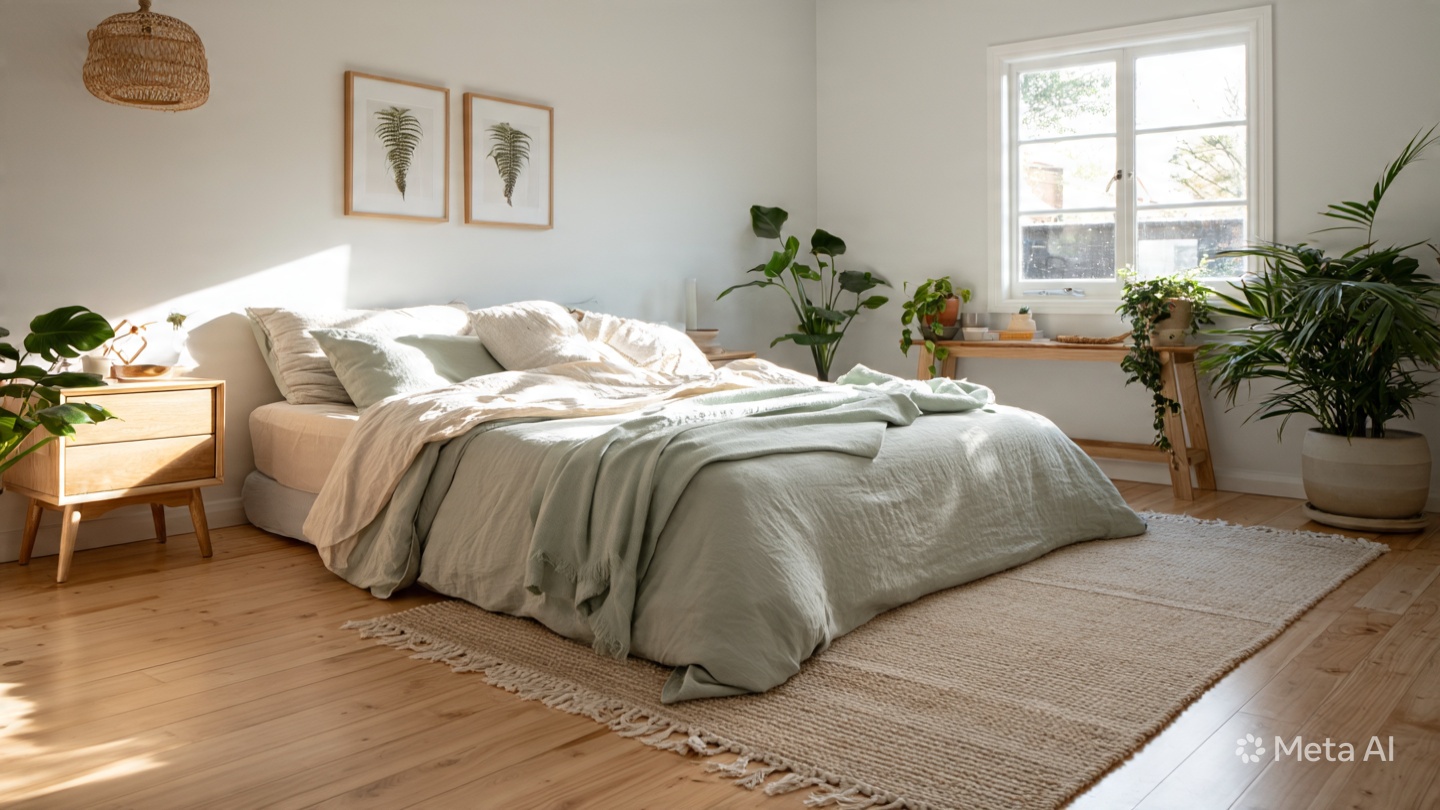
A compassionate guide to Döstädning — the Scandinavian art of clearing with love, honoring a lifetime of memories, and leaving a legacy that matters.

By The Gentle Edit · 12 min read · Updated May 2026
Advertisement

here is a quiet courage in the act of letting go — not in haste, not in grief, but with intention and grace. When we help a senior loved one declutter, we are not simply sorting objects. We are sitting beside a life fully lived, listening to the stories that have shaped a family, and gently asking: what legacy do we want to leave?

The Swedish call it Döstädning — "death cleaning." And while the name may catch your breath, the practice is one of the most loving things a person can do for those they cherish. It is not morbid. It is, at its heart, an act of extraordinary kindness.

✦ ✦ ✦

What is Swedish Death Cleaning (Döstädning)?

Döstädning comes from the Swedish words döstä (death) and städning (cleaning). Popularized by author Margareta Magnusson in her book The Gentle Art of Swedish Death Cleaning, the practice is rooted in a simple, profound idea: thoughtfully organize your life and possessions so that your loved ones are not burdened when you are gone.

"It is not a sad thing to make your loved ones' lives easier after you are gone. It is an act of love, done while you can still see the smiles it creates."

— Inspired by Margareta Magnusson, The Gentle Art of Swedish Death Cleaning

The practice invites us to look at every item not with the question "should I throw this away?" — which can feel violent and dismissive — but with the gentler, more meaningful question: "Who should receive this, and when?"

For seniors, this reframing transforms decluttering from a dreaded chore into a meaningful life project: a chance to tell their own story, direct their own legacy, and give with intention while they can still witness the joy of giving.

Three Pillars of Compassionate Senior Decluttering

01

The Legacy Conversation

Before touching a single object, sit down with your loved one over tea and ask open, legacy-focused questions. Not "what do you want to get rid of?" but: "Who means the most to you? What items carry stories you want to be remembered?" This conversation plants the seeds for everything that follows — it is an act of honor, not an audit.

Gentle prompts to begin with

  • "If [grandchild's name] could have one thing of yours, what would you want it to be?"
  • "What object in this room has the best story behind it?"
  • "Is there someone who should receive something now, so you can see their face when they get it?"
02

Gifting Now — The Joy of Living Generosity

One of the most beautiful aspects of Döstädning is the practice of gifting treasured items now — while the giver can witness the moment. A mother handing her daughter the brooch she always admired. A grandfather watching his grandson's eyes light up receiving a pocket watch. These are not losses; they are additions to the living family story.

Encourage seniors to attach a small handwritten note to each gifted item — a sentence or two about its history. These notes become heirlooms in their own right.

Instead of waiting…

Give meaningful items to loved ones today, with a story, a hug, and intention.

The gift multiplies…

The recipient gains an object and a living memory — a story told in the giver's own voice.
03

The Memory Box — A Curated Life

Not everything needs to be gifted, donated, or let go. Some things are simply sacred. The Memory Box is a beautiful, intentional container — a wooden keepsake box, a vintage trunk, a handsome archive box — that holds a small, considered collection of the most meaningful items.

Think of it as a senior's personal museum: curated, labeled with love, and full of meaning. A pressed flower from a wedding bouquet. A faded letter. A photograph from a day that changed everything. A child's first drawing.

What belongs in a Memory Box?

Handwritten letters
Photographs (a small, chosen few)
A small heirloom or token
A piece of jewelry with a story
Pressed flowers or mementos
A child's artwork or keepsake
A legacy letter from the senior
A meaningful recipe card
✦ ✦ ✦

Keeping Sessions Short: The 1–2 Hour Rule

One of the most important — and most overlooked — aspects of helping a senior declutter is honoring their energy and emotional bandwidth. Decluttering is not simply a physical task; it is a deeply emotional one. Each drawer holds decades. Each shelf carries stories. It is exhausting in the most meaningful way.

Limit sessions to one to two hours maximum. Schedule them like cherished appointments — not tasks to be powered through, but gentle, regular rituals with room for tea, laughter, tears, and long pauses.

1–2

Hours per session, maximum

1–2

Weeks between sessions — let it breathe

0

Pressure to decide anything in the same session

"There is no rush here. A life of eighty years cannot — and should not — be organized in a weekend. Each session is a gift of time, given with love."

Advertisement

When a Parent Resists: Leading with Love

It is entirely natural for a senior to feel resistant, protective, or even hurt by the suggestion that their belongings need to be sorted. For many, their possessions are their autobiography — tangible proof of a life built, a family raised, a world traveled. The suggestion to "declutter" can feel like erasure.

The answer is never to push, never to "sneak" items away, and never to frame the process as a problem to be solved. Instead:

  • 1

    Lead with curiosity, not agenda. Ask about an item's story before asking what should happen to it. Let them be the expert of their own life.

  • 2

    Start with joy, not difficulty. Begin in a room or drawer that holds mostly positive memories — somewhere decisions feel lighter.

  • 3

    Never declutter without them present. This is their story. They must always be the author.

  • 4

    Honor the "not yet" pile. Some items need time. A box labeled "decide later" is a perfectly valid outcome for any session.

Frequently Asked Questions

Is Swedish Death Cleaning only for the elderly? +
Not at all. Döstädning can be practiced at any stage of life and is increasingly embraced by people in their 40s, 50s, and 60s. However, it carries the most emotional significance and practical benefit when practiced by seniors, particularly those who have spent decades accumulating a home full of meaningful objects and family history.
What if my parent becomes upset or emotional during the process? +
Pause. Sit with them. Make tea. Listen to the story the emotion is attached to. Tears and laughter are both signs that this process is working — that something real and meaningful is being touched. Never push through distress; simply be present. You can always return to the boxes another day. The relationship is always more important than the task.
Where should we start when the whole home feels overwhelming? +
Start with the lightest category — books, duplicates in the kitchen, linen cupboards, or garage items with clear utility. Avoid personal papers, photographs, and sentimental items until you have built comfort and trust in the process together. Save the emotionally heaviest areas for when you have both settled into a rhythm.
Should I hire a professional organizer? +
A professional senior move manager or compassionate downsizing consultant can be a wonderful support — particularly for the logistical aspects (donations, estate sales, moving coordination). However, the emotional and legacy conversations should always remain between family members. A professional can hold space and guide the process, but the stories and decisions belong to the senior.

A Final, Gentle Word

The greatest act of Swedish Death Cleaning is not the clearing itself — it is the conversations it makes possible. The stories told over a cedar chest. The laughter over a forgotten hat. The tears over a love letter found in a coat pocket.

Approach this work slowly. Approach it with reverence. You are not organizing a house — you are honoring a life.

Advertisement