How to Declutter a Small Apartment With Zero Storage
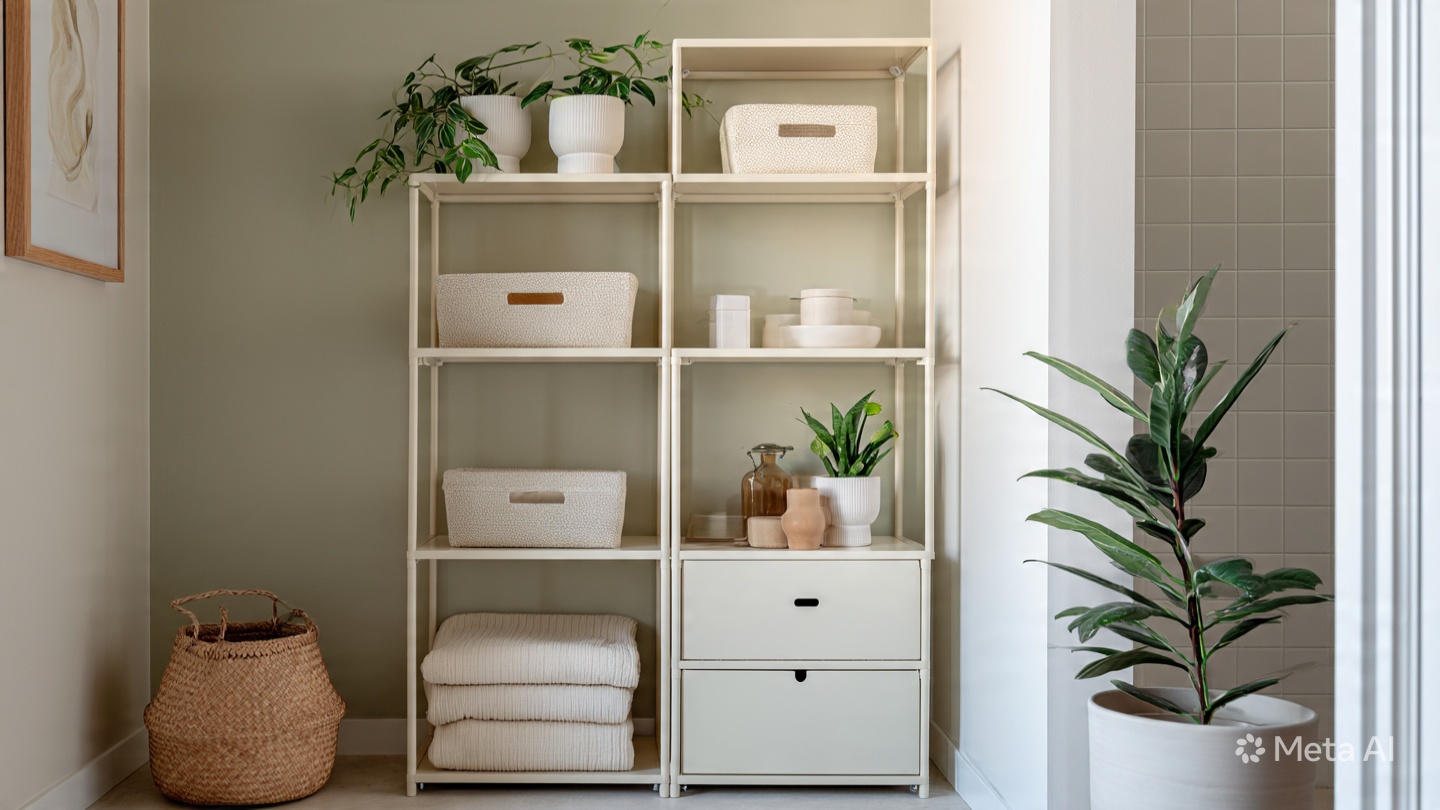
No extra closets. No basement. No panic. Whether you're in a studio or a 400 sq ft one-bedroom, these battle-tested strategies squeeze real storage out of thin air — and keep your space feeling open, not cluttered.
Advertisement · Google AdSense
Go Vertical: Claim Every Inch of Wall
The biggest wasted space in any apartment isn't under your bed — it's the wall between your furniture tops and your ceiling. Most people use maybe 4 feet of an 8-foot wall. The other 4 feet is free real estate.
Over-the-Door Organizers
Every door is a hidden cabinet. Shoe organizers on pantry doors hold spices, cleaning supplies, and craft items. Jewelry organizers on closet doors eliminate the bedside tangle. A good hook rack on the back of your bathroom door replaces a whole towel bar.
Best for: Kitchen · Bathroom · Entry
Wall Pegboards
Pegboards are the ultimate configurable wall system. In the kitchen, mount hooks for pots, pans, and utensils — freeing an entire cabinet. In a home office corner, a pegboard holds monitors, plants, and cables. Rearrange hooks as your needs change. No drill? Command-strip pegboard panels exist.
Best for: Kitchen · Office · Craft area
Ceiling-Line Shelves
Install a continuous shelf at the 7-foot mark around your living room perimeter. Use it for baskets, books, and decorative bins. It draws the eye upward — making the room feel taller — while clearing floor-level chaos. In a bedroom, these "sconce shelves" replace nightstands entirely.
Best for: Living room · Bedroom · Hall
Pro tip: When hanging ceiling-line shelves, keep items in matching baskets or bins. Mixed loose items at height become visual noise. Uniform containers = intentional display.
Kill Visual Clutter: The Rules That Actually Work
"A small apartment doesn't feel cramped because it's small. It feels cramped because you can see everything at once."
The Closed Storage First Rule
Before buying any open shelving, maximize your closed storage. Cabinet doors, box lids, drawer fronts — these are your best friends. The brain reads open shelving as chaos requiring resolution. Closed storage reads as calm. Apply this in every room: if a surface item doesn't spark joy and serve a daily function, it gets a door in front of it.
Cabinet audit first
Before adding new shelving, purge 30% of every cabinet. Most people have doubles, empties, and never-use items absorbing prime real estate.
Basket everything on open shelves
Open shelves you can't remove become closed storage when items live inside opaque baskets. Wicker, rattan, linen bins — all work.
Counter amnesty: nothing permanent on counters
Every item that lives on a kitchen or bathroom counter must earn its place daily. Coffee maker: yes. That bread machine you used twice: no.
Color Discipline: The Neutral Base Rule
Color variation is visual weight. In a small space, every contrasting hue competes for attention and makes the eye work harder — which the brain reads as clutter. Build your base with three neutrals maximum (e.g., warm white walls, natural linen, and medium oak wood tones), then let one accent color appear in controlled quantities.
Walls & ceiling
Textiles & baskets
Plants & one throw
The palette above creates a grounded, cohesive space that photographs well and — crucially — feels calm to live in daily. Swap sage for terracotta or charcoal depending on your style, but keep the structure the same: two neutrals, one accent.
Advertisement · Google AdSense
No Storage? No Problem: Multi-Function Furniture
When you can't add storage, replace furniture that does one job with furniture that does three. This is the single highest-ROI investment in tiny living. Every piece should earn its floor space.
Storage Ottomans
A storage ottoman replaces your coffee table, adds seating for guests, and hides blankets, remotes, and board games inside. Tufted cube ottomans with lift-off lids are the most space-efficient. A 24"×24" cube holds a surprising volume. Place a tray on top for a stable coffee table surface — problem solved on three counts.
Bed Frames with Built-In Drawers
The space under a standard bed frame is dead air. A platform bed with two or four drawers built in effectively replaces an entire dresser — which can free up 6–8 square feet of floor space. Use under-bed drawers for seasonal clothing, extra bedding, or shoes. Look for frames with two-tier drawers (deeper = more capacity) or hydraulic lift storage for the maximum volume.
Lift-Top Coffee Tables & Fold-Down Desks
Lift-top coffee tables rise to desk height for working from the sofa, then lower back to normal. The cavity below stores laptops, chargers, and paperwork. Wall-mounted fold-down desks collapse flat to 4 inches deep when not in use — making them nearly invisible. Perfect for those who need a workspace but can't dedicate a room.
Entryway Storage Benches
The entry is where apartment clutter begins — shoes, bags, coats piling up. A storage bench with a flip-top lid keeps shoes inside while giving you a place to sit when putting them on. Pair it with a pegboard or wall hooks above and a narrow floating shelf for mail. A 3-foot section of wall becomes a complete mudroom substitute.
Frequently Asked Questions
How do you declutter a small apartment with no storage? +
What is the fastest way to declutter a small apartment? +
What furniture maximizes storage in a small apartment? +
How do I use vertical space in a small apartment? +
The Zero-Storage Declutter Cheat Sheet
Vertical Hacks
- ✓ Over-the-door organizers
- ✓ Wall pegboards
- ✓ Ceiling-line shelves
- ✓ Floating shelves in stacks
Visual Rules
- ✓ Closed storage first
- ✓ Neutral base (2 colors max)
- ✓ One accent color only
- ✓ Matching baskets on open shelves
Furniture Swaps
- ✓ Storage ottomans
- ✓ Bed with built-in drawers
- ✓ Lift-top coffee tables
- ✓ Fold-down wall desks
Advertisement · Google AdSense