ADHD Decluttering: Rules & Hacks That Actually Work With Your Brain
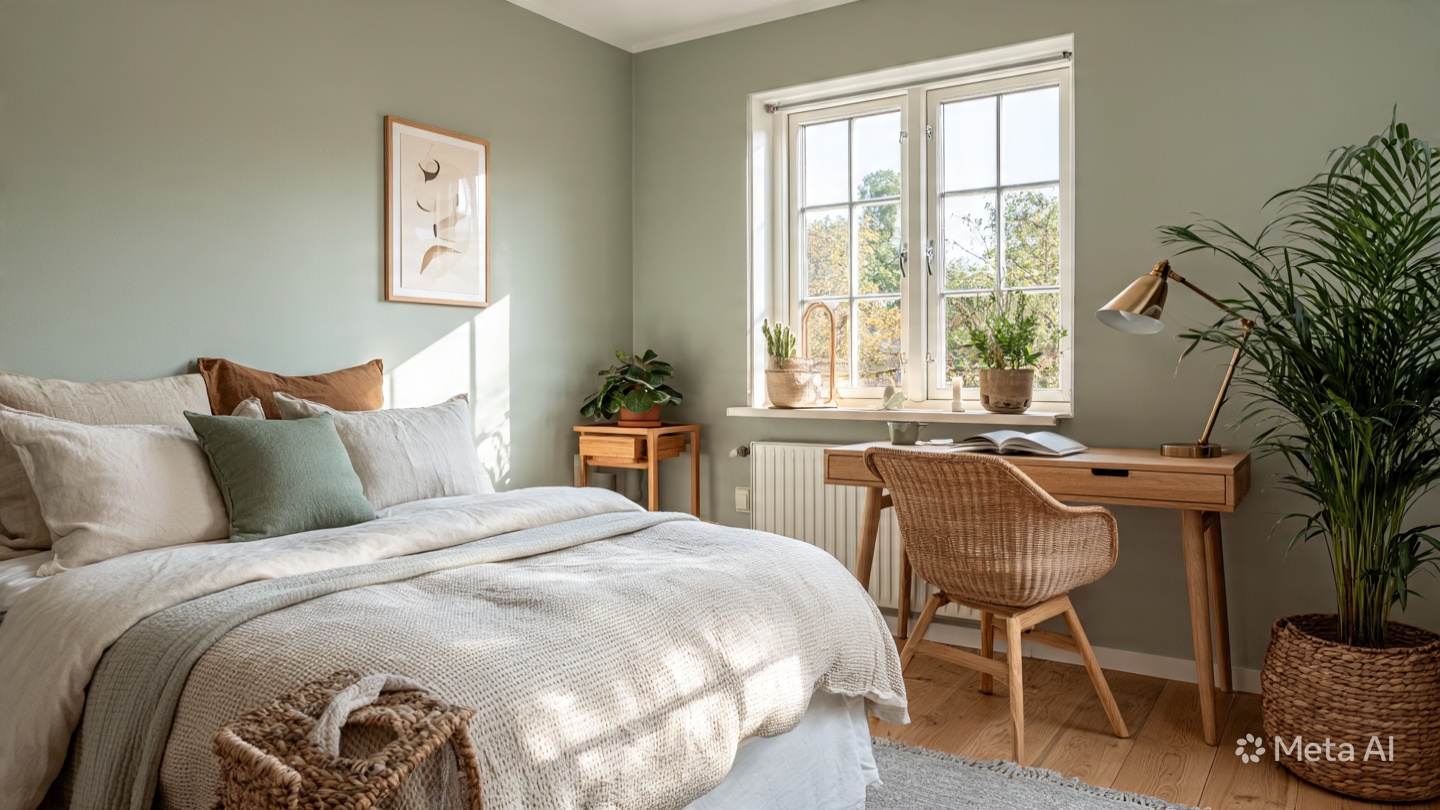
If you have ADHD, decluttering your bedroom feels like being asked to eat an entire elephant — in one sitting — while someone plays a loud podcast in the background. The mess isn't a character flaw. It's a symptom. The standard "just tidy up!" advice was never written for your brain.
This guide gives you ADHD-specific systems, rules, and micro-hacks — all designed to match how your brain actually works, not how neurotypical productivity gurus think it should work.
⚡ Jump to a Section
😩 Why Decluttering Feels Impossible With ADHD
Before we fix the problem, we need to name it honestly. ADHD brains face specific barriers that make tidying uniquely brutal:
-
🔴
Decision Fatigue: Every item requires a micro-decision. Keep? Trash? Donate? The ADHD brain burns out after a few dozen decisions and freezes entirely.
-
🟠
Task Initiation Deficit: Starting is genuinely harder neurologically. It's not laziness — the ADHD brain has lower dopamine signaling for boring or ambiguous tasks.
-
🟡
Object Permanence Issues: "Out of sight, out of mind" is real. Drawers and boxes make objects disappear from your mental map — so you keep everything visible, which creates clutter.
-
🟣
Hyperfocus Traps: You start with one drawer, find an old photo, and lose 45 minutes to nostalgia. The room ends up messier than when you started.
The solution isn't willpower. It's designing a system that works around these exact friction points. Here's how.
📦 Micro-Zones & The Four-Box Hack
The single biggest reason ADHD decluttering fails is decision paralysis mid-session. You're holding a random cable and your brain just… stops. The Four-Box Hack eliminates this by pre-making your decisions.
💡 The TBDL Bin is the Secret Weapon
Most systems tell you to decide right now about every item. That's a recipe for ADHD paralysis. The TBDL bin gives your brain a guilt-free escape hatch. Toss it in, keep moving. Revisit the bin in a week when the pressure is off.
🗺️ Set Up Micro-Zones First
Before touching a single item, physically divide your bedroom floor into named zones. This gives your brain a map and prevents the "where does this even go?" spiral.
- Sleep Zone: Bed, nightstand, lamp only. Nothing else lives here.
- Clothing Zone: Wardrobe, dresser, one chair (no floor piles).
- Desk/Work Zone: If you have one — keep it completely separate from the sleep zone.
- Floor Rule: The floor is not a surface. Everything on it is actively in the wrong place.
👥 Body Doubling: Your ADHD Superpower for Cleaning
Body doubling is one of the most well-documented ADHD productivity strategies — and it works for decluttering too. The concept is simple: having another person physically present (or virtually present) dramatically anchors your focus.
The other person doesn't help. They don't advise. They just exist in the same space. Something about having a witness activates the ADHD brain's social accountability circuits and kickstarts executive function.
✅ Body Doubling Options for Bedroom Decluttering
- ▶ Ask a friend to sit on your bed and scroll their phone while you clean
- ▶ Open a video call with someone — you both work on separate tasks
- ▶ Use a virtual body doubling app (Focusmate, Flow Club, Study Stream on YouTube)
- ▶ Play a long YouTube "study with me" or "clean with me" video in the background
- ▶ Join a Discord coworking server and announce "I'm cleaning my room for 25 min"
Pro tip: Tell your body double a specific goal before you start — "I'm going to clear the floor in this zone." Stating it out loud adds a layer of commitment that engages the ADHD brain.
🔢 The 1-3-5 Rule for ADHD Decluttering
One of the biggest ADHD traps is the impossible to-do list: 20 items, no priority, no end in sight. It triggers overwhelm before you even start. The 1-3-5 Rule hard-limits your task list to a format your brain can actually process.
📋 Your 1-3-5 Bedroom Declutter Plan
Every item off the floor — either into a zone, a box, or the Four-Box bins. This is your one non-negotiable win for the session.
- ● Make the bed (sheets straightened, pillow placed — that's it)
- ● Empty laundry basket or put dirty clothes in one pile
- ● Clear the nightstand surface down to 3 items max
- ● Toss all visible trash (wrappers, bottles, tissues)
- ● Hang 5 items of clothing or fold into a drawer
- ● Return 5 objects to their correct room (dishes to kitchen, etc.)
- ● Wipe down one surface with a cloth
- ● Put all chargers/cables into one box or tray
Why it works for ADHD: The 1-3-5 structure gives your brain a finite container. You always know exactly how much is left. The mix of task sizes keeps dopamine flowing — small wins fuel motivation for bigger tasks.
⏱️ The 10-3 Rule: Work With ADHD's Natural Rhythm
The ADHD brain thrives on intense, brief bursts rather than long sustained effort. The 10-3 Rule is built around this reality: 10 minutes of full-focus decluttering, 3 minutes of genuine rest. Repeat.
- • Phone face-down or in another room
- • No music with lyrics — instrumental only
- • One zone, one task, no exceptions
- • Use a visual timer (Time Timer app)
- • Sit down, breathe, stretch
- • Drink water
- • No scrolling social media — it hijacks your re-focus
- • Acknowledge what you just did ✅
⚠️ Critical rule: The 3-minute break MUST be restful, not stimulating. Opening TikTok for "just 3 minutes" is a guaranteed session-ender for ADHD brains. The algorithm is designed to keep you there.
After 3 rounds (39 minutes total), take a longer 10-minute break. Most people with ADHD find their room dramatically cleaner after just 2-3 cycles — because consistent short bursts outperform one dreaded 2-hour "clean everything" session that never starts.
🚫 Drop the Perfectionism Trap (Seriously)
Perfectionism and ADHD are a toxic combination. The ADHD brain will often not start a task it can't complete perfectly — which means nothing gets done, ever. Here's how to dismantle it:
Use Open Bins, Not Perfect Systems
Labelled cubbies with lids will stay empty because your brain won't bother with the extra step. Open bins you can toss things into instantly? Those get used. Friction is the enemy.
The 5-Minute Micro-Reset
Every night before bed: set a 5-minute timer and do a micro-reset. Toss anything on the floor, straighten the bed, put one thing away. 5 minutes of maintenance beats a 3-hour cleaning marathon every time.
Redefine "Clean Enough"
A bedroom where you can walk without stepping on things and the bed is roughly made is a success. You don't need Pinterest-level organization. Functional beats perfect — every single time.
Own Less Stuff
The ultimate ADHD decluttering hack: fewer items = fewer decisions = less clutter. Every time you donate something, you're permanently removing a future decision from your life.
✅ ADHD Bedroom Declutter: Quick-Win Checklist
Print this. Screenshot it. Stick it on your wall. Check things off as you go — the checkmarks are a dopamine hit your brain needs.
🧠 The ADHD Decluttering Rules — Summary
- 📦 Four-Box Hack:Keep / Trash / Donate / TBDL — eliminates decision paralysis mid-session.
- 👥 Body Doubling:A witness (live or virtual) activates focus and accountability circuits.
- 🔢 1-3-5 Rule:1 big task + 3 medium + 5 small. Finite, manageable, dopamine-generating.
- ⏱️ 10-3 Rule:10 min focus + 3 min real rest. Matches ADHD's natural sprint-recover rhythm.
- 🚫 No Perfectionism:Open bins, 5-min micro-resets, and "good enough" beats never starting.
❓ Frequently Asked Questions
What is the 1-3-5 rule for ADHD?
The 1-3-5 Rule for ADHD is a daily task-planning strategy that limits your to-do list to a structured set: 1 big task, 3 medium tasks, and 5 small tasks. For bedroom decluttering, the big task might be clearing the entire floor, the medium tasks could be making the bed and emptying the laundry, and the small tasks might include tossing trash and hanging 5 items. The finite structure prevents overwhelm by giving your ADHD brain a clear container — you always know how much is left, and small wins build momentum for bigger tasks.
What is the 10-3 rule for ADHD?
The 10-3 Rule for ADHD is a focus-and-rest cycle designed to match the ADHD brain's preference for intense, brief bursts of activity. The rule is simple: work with full focus for 10 minutes, then take a genuine 3-minute rest. Repeat the cycle. For decluttering, this means phone away, one task, one zone — then a calm rest (no scrolling). After 3 rounds (39 minutes total), take a longer 10-minute break. The 10-3 structure reduces procrastination because the entry barrier is low ("just 10 minutes") and the breaks are rewarding enough to keep going.
How do I declutter my bedroom if I have ADHD?
Start by reducing friction, not adding structure. Set up four open bins (Keep, Trash, Donate, TBDL) so you never have to make hard decisions mid-session. Use the 10-3 Rule to work in short bursts. Enlist a body double for accountability. Apply the 1-3-5 Rule to your task list. And critically — abandon perfectionism. A floor you can walk on is a win. Build from there using 5-minute nightly micro-resets to maintain progress without marathon cleaning sessions.
What is body doubling for ADHD and does it work?
Body doubling is the practice of having another person present (physically or virtually) while you complete a task. Research and widespread anecdotal evidence among people with ADHD suggest it significantly improves task initiation and sustained focus. The presence of another person appears to activate social accountability and reduce the "blank start" paralysis common in ADHD. It works for cleaning, studying, admin tasks, and anything that requires sustained focus. Virtual options like Focusmate, YouTube "study with me" streams, and Discord coworking servers make it accessible even when you're alone.